
Wondering how to design a flexible office space? You’re not alone. The way we work has changed, and offices must keep up. Teams now shift between focused desk work, video calls, impromptu huddles, and collaborative workshops, often all in a single day to support that pace, your office furniture needs to do the same. Flexibility is no longer a nice-to-have; it’s the foundation of productive, modern workplaces.
At M2 Office, we work with leading brands like Sedus, Maro, Pedrali, and Profim to help Irish businesses design workspaces that flex with their teams. In this guide, we’ll answer the most common questions about flexible office design and walk you through the furniture essentials all from ours office furniture range.
What Is a Flexible Office Space?
A flexible office space is a workplace designed to adapt to different tasks, team sizes, and ways of working all within the same footprint. Instead of fixed desks, closed meeting rooms, and rigid layouts, flexible offices use modular furniture, mobile partitions, and multi-use zones to reshape on demand.
The core idea is simple: rather than forcing your team to fit the space, the space adapts to your team. That means a quiet focus zone in the morning can become a collaborative workshop area by lunch, and a client meeting room by the afternoon.
What Are the Benefits of a Flexible Office?
A flexible office delivers measurable benefits for both your team and your business:
- Faster response to change teams adapt to new projects, customer needs, or market shifts without waiting for a costly redesign or office fit-out.
- Better collaboration because open zones and breakout areas encourage spontaneous conversation and creative thinking.
- Flexible teams adapt quickly, learn from both wins and setbacks, and stay focused on delivering value helping your business weather any disruption.
- Responding faster to customers and continuously improving the way you work sets your business apart and helps you win more clients.
- Modern layouts put people first. Outfit your desk spaces with height-adjustable standing desks and ergonomic task chairs that offer customizable lumbar support and adjustable arms to minimize physical strain.
- Empowered, valued employees stay engaged, stay longer, and bring more energy to their work boosting retention, reducing absenteeism, and lifting overall productivity.
- Improved focus dedicated quiet spaces and acoustic pods let employees concentrate when needed.
5 Furniture Essentials to Design a Flexible Office Space?
A genuinely flexible workspace is built around three principles mobility, modularity, and multi-use. Lightweight construction, optional castors, modular configurations, and acoustic considerations all combine to create spaces that flex with the task at hand. These are the five furniture categories every flexible office needs.
1.Sit-Stand Desks
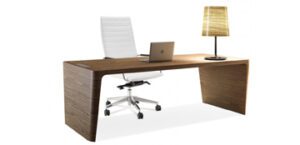
Static seating drains energy and concentration. Sit-stand desks let employees alternate between sitting and standing throughout the day, supporting better posture, focus, and wellbeing. Pair them with proper office desks or executive desks depending on the role and team layout.
2.Acoustic Pods
Open-plan offices boost collaboration but can struggle with concentration and confidential calls. Acoustic meeting pods solve this without the cost of permanent walls. Choose from phone booths for one-to-one calls, or small, medium, and large meeting pods for team huddles.
3.Collaborative Breakout Furniture
The best ideas often happen outside formal meeting rooms. Our breakout and collaborative seating ranges including comfortable sofas and couches create informal zones that spark spontaneous conversation and creative thinking.
4.Ergonomic Chairs and Workstation Solutions
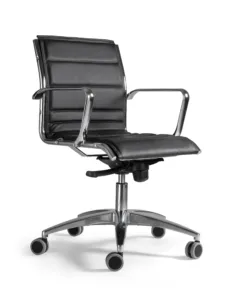
Long hours demand proper support our range includes office chairs, executive chairs, meeting chairs, and dedicated ergonomic solutions including monitor arms. Comfortable employees stay focused and healthy throughout the working day.
5.Flexible Partitions, Zoning, and Acoustics
Flexible offices need to reshape easily. Partitions, zoning solutions, screens, and acoustic wall panels let you define focus zones, collaboration areas, and quiet spaces without permanent construction. Free-standing acoustics move with your layout as needs shift.
Which Flexible Furniture Range Should You Choose?
The Sedus range, available through M2 Office, was built specifically for flexible environments. Inspired by laboratory settings where problem-solving, research, and analysis are central adapts effortlessly to workshops, impromptu meetings, and quick team huddles.
Sedus range a standout choice: –
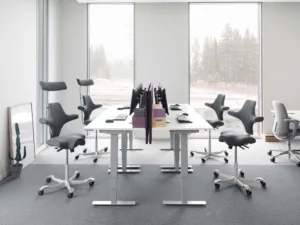
- Cohesive, contemporary design that balances brand consistency with creative configuration.
- Lightweight build with optional castors for true mobility furniture moves with the work.
- Intuitive to use from any location to support open, communicative workspaces.
- Modular pieces that combine into countless layouts depending on the task.
It’s a clear example of how thoughtfully designed furniture quietly enables flexible working in practice.
Whether you’re planning a full commercial office fit-out, refreshing your office design and layout, or simply adding a few key pieces to support flexible working, M2 Office is here to help. Browse our complete office furniture range or explore our recent projects to see flexible workspaces we’ve delivered for Irish businesses.
Ready to bring more flexibility into your workplace? Get in touch today the M2 Interiors team will recommend pieces that lift productivity and spark innovation across your team.
FAQs
1.What is the most important piece of office furniture?
The most important piece of office furniture is a good-quality ergonomic chair. Employees spend most of their working day seated, so proper lumbar support, adjustable height, and breathable materials directly impact posture, focus, and long-term wellbeing.
2.How often should office furniture be replaced?
Most office furniture should be replaced every 7–10 years, though ergonomic chairs may need replacing sooner if they show signs of wear. Desks and storage units generally last longer if well-maintained.
3. What’s the best office chair for long hours?
The best office chair for long hours is one with adjustable seat height, lumbar support, armrests, and a reclining backrest. Mesh-backed chairs offer breathability, while higher-end ergonomic models include synchronised tilt mechanisms. Brands like Sedus, Profim, and Humanscale are widely trusted for all-day comfort in professional environments.
4. What office furniture do small offices need?
Small offices need multi-functional furniture that maximises every square metre: compact desks (or shared bench desks), ergonomic chairs, vertical storage units, and a small acoustic pod or screened zone for focused work or calls.
5. Are standing desks worth it?
Yes, standing desks are worth the investment. They improve posture, boost energy levels, and reduce the health risks of prolonged sitting. Height-adjustable sit-stand desks are best, letting employees switch between sitting and standing throughout the day.